
Emotional Residue: How Past Choices Shape Present Moods

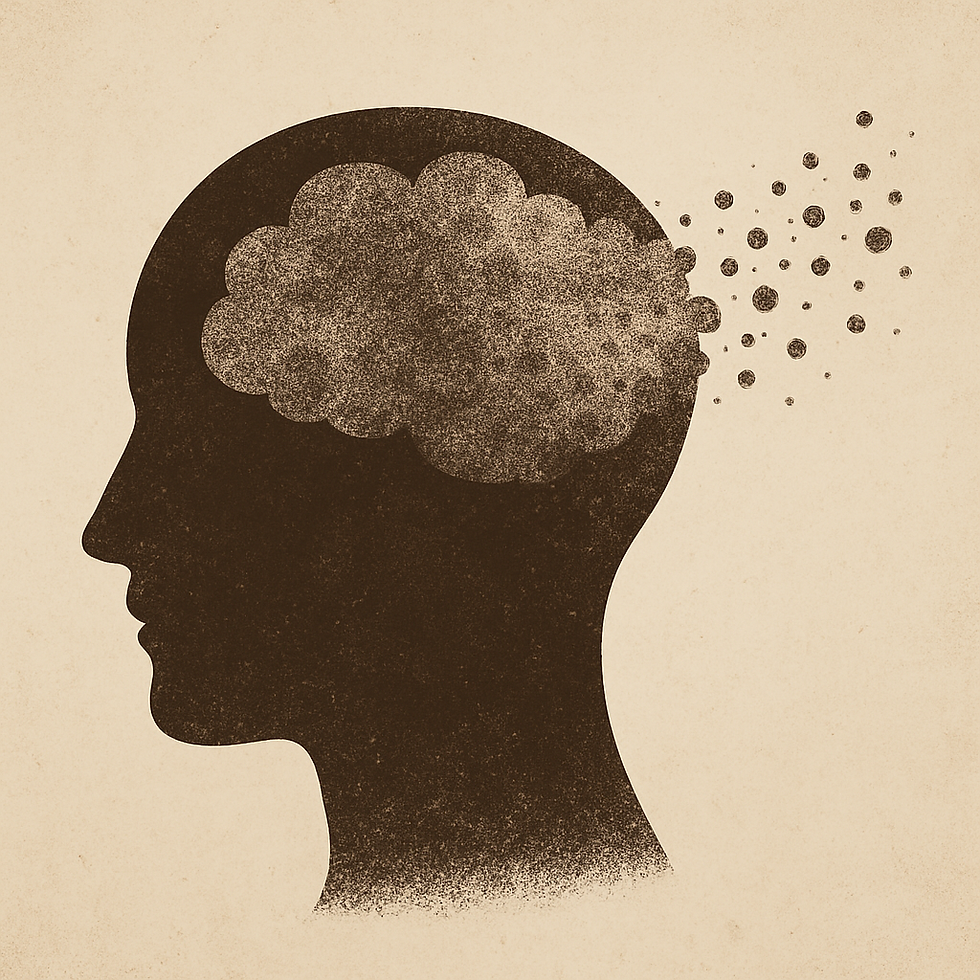
The concept of emotional residue captures the subtle but enduring ways that past decisions and experiences continue to shape the present emotional landscape. Unlike acute emotional reactions, residue accumulates gradually, often without conscious recognition, embedding itself in our moods, reactions, and interpersonal responses. Recognizing this influence is not only essential for self-understanding but also for practicing consistent emotional maintenance.
Emotional residue does not arise solely from major life events. More often, it develops from the repeated weight of small, seemingly inconsequential choices. A pattern of minor compromises, ongoing boundary violations, or quiet self-denial can sediment into chronic dissatisfaction, irritability, or emotional fatigue. Each isolated decision may appear trivial, but over time they form an emotional undercurrent that subtly distorts the way we engage with daily life.
Importantly, emotional residue does not simply mirror regret or negative consequences. Even choices that yield socially or materially positive outcomes can leave emotional residue if they were made in conflict with internal values. For example, professional success achieved through chronic overextension may result in cynicism, resentment, or emptiness rather than fulfillment. In this way, residue reveals less about whether a choice was objectively right or wrong and more about whether it was aligned with one's deeper sense of self.
Managing emotional residue begins with awareness. Low-level dissatisfaction or unease often signals an underlying misalignment. Repeatedly agreeing to commitments despite internal hesitation may be praised as dependable behavior, but over time it often results in emotional depletion. Self-reflection that focuses less on outcomes and more on the degree of alignment between choices and personal values is key to preventing further accumulation.
Intentional emotional hygiene involves recalibrating the decision-making process. This means choosing authenticity over short-term approval or comfort. While setting firm boundaries or declining an opportunity may create immediate discomfort, such actions tend to reduce long-term emotional burden. The discomfort of authenticity is acute and finite, whereas the effects of misaligned decisions tend to linger.
Emotional landscapes are not fixed. The emotional impact of past choices is not a permanent condition. With deliberate reflection and conscious recalibration, residue can be processed and integrated rather than silently carried. This practice enables clearer decision-making, less encumbered by unresolved emotional echoes.
Confronting emotional residue directly allows for greater psychological flexibility and emotional resilience. It shifts the focus from merely coping with mood fluctuations to actively shaping one's emotional environment. When attended to with care, emotional residue becomes not a source of stagnation but a catalyst for deeper insight, stronger boundaries, and more coherent living.